
What Factory Info Matters When Buying a Used Vehicle?
When buying a used vehicle, mileage, maintenance history, and accident history matter, but they don't tell the whole story. Two used vehicles with the same model year, trim and similar mileage can have different equipment because of factory-installed options and packages.
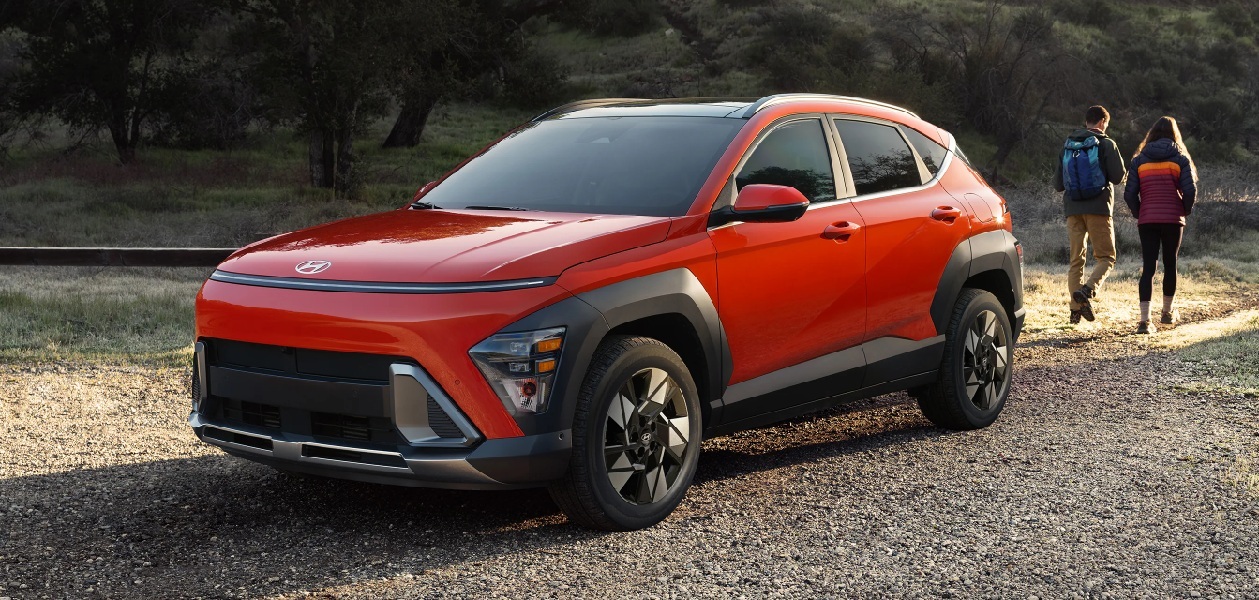
That is why checking the vehicle's original factory configuration can help you decide what a used vehicle is actually worth.
The most useful information includes the original MSRP, factory-installed options, packages, standard equipment, wheel configuration, interior and exterior combinations, and original warranty information. This information can help you determine whether the vehicle you are looking at has the equipment you expect and whether two seemingly identical used vehicles are actually configured the same way.
Why Does Factory Information Matter on a Used Vehicle?
A vehicle’s current condition and equipment help determine its value, while its original factory configuration can explain how it reached that point.
For example, two vehicles can have the same:
Model year
Model
Trim
Engine
Mileage
Yet one may have left the factory with additional equipment because an optional package was selected when it was originally ordered. That difference can matter when comparing two used vehicles. Factory information also provides a reference point. If a vehicle is advertised as having certain equipment, the original build information can help determine whether the factory installed it or it was added later.
What Is the Most Important Factory Information?
Not every factory detail matters equally when evaluating a used vehicle. The most useful information generally falls into several categories.
1. Original MSRP
The original manufacturer's suggested retail price provides a starting point for understanding how the vehicle was configured when new. However, the original MSRP should not be treated as the current value of a used vehicle. Depreciation, mileage, condition, maintenance history, accident history and current market conditions all affect what a used vehicle is worth today. The value of the original MSRP is mainly that it gives you context. A used vehicle with a significantly higher original price may have included factory packages or equipment that another vehicle with the same trim did not have.
2. Factory-Installed Options
Factory options matter, especially when comparing used vehicles.
Examples can include:
upgraded wheels
premium interior materials
upgraded audio equipment
advanced driver-assistance equipment
larger displays
upgraded lighting
comfort features
technology packages
The exact equipment available varies by model year and trim. The important question is not simply whether the vehicle has a particular feature today. It is whether that feature was part of the original factory configuration.
3. Optional Packages
Packages deserve particular attention because several individual features may have been bundled together. A vehicle advertised with a particular trim may have additional equipment because the original buyer selected an optional package. That means two used vehicles carrying the same trim name can have different equipment.
When comparing listings, look beyond the trim designation and identify the original packages. This can also prevent confusion when a seller lists a feature without explaining whether it was factory-installed or added later.
4. Standard vs. Optional Equipment
It is useful to separate standard equipment from optional equipment. If a feature was standard on the trim, its presence does not necessarily distinguish one used vehicle from another. If it was optional, however, it may explain why one vehicle has equipment that another vehicle with the same trim does not. This distinction is particularly useful when comparing several used vehicles online.
Instead of asking only:
"Which one has more features?"
you can ask:
"Which features were included in the original factory configuration?"
That gives you a much more precise comparison.
5. Original Wheel and Tire Configuration
Wheels can also provide useful information about the original specification. A used vehicle may have different wheels from those installed at the factory. Previous owners can change wheels for appearance, seasonal use or other reasons. So the wheels currently installed don't necessarily tell you what the vehicle originally came with.
Factory information can help determine:
Original wheel size
Original tire size
Factory wheel design
Whether larger wheels were part of an option or package
This can help when evaluating a used vehicle because replacement wheels and tires may not match the original configuration.
6. Original Interior and Exterior Configuration
Colour combinations can also help confirm the vehicle's original specification.
Factory information may identify the original:
Exterior colour
Interior colour
Interior material
Trim combination
This can be especially useful when a vehicle has been modified or when photographs in an online listing do not clearly show its interior. It also provides another way to compare the advertised vehicle with its original configuration.
7. Original Warranty Information
Original warranty information can also matter when buying a used vehicle.
The important point is to distinguish between:
the original factory warranty;
remaining warranty coverage; and
any additional coverage purchased separately.
A vehicle's original warranty may have been based on both time and mileage, and coverage can vary according to the specific warranty. If you are considering a relatively recent used vehicle, knowing its original in-service date can help you determine whether any factory warranty may remain. Do not assume that a vehicle advertised as "still under warranty" automatically has the same coverage it had when new. Verify the specific warranty terms and remaining eligibility.
Factory Information vs. Vehicle History
Factory information and vehicle-history information answer different questions.
Factory information tells you what the vehicle was built or equipped with.
Vehicle-history information tells you what happened to the vehicle afterward.
Both can be useful.
For example, factory information might tell you that the vehicle originally had a particular wheel package. A vehicle-history report and physical inspection can then help establish what happened to those wheels later.
Similarly, factory information can establish the original equipment while maintenance and service records help determine how the vehicle has been maintained. Neither source should be treated as a complete substitute for inspecting the actual vehicle.
How Can You Use Factory Information When Comparing Used Vehicles?
A simple comparison can make the information much easier to use. Suppose you are looking at two used vehicles with the same model year and trim.
Create a list containing:
Original MSRP
Factory options
Factory packages
Standard equipment
Original wheel and tire specification
Original interior
Original exterior colour
Original warranty information
Then compare that information with what is actually installed on each vehicle today. This can reveal differences that are not obvious from an online listing. One vehicle may have a factory technology package while another has only the equipment that was standard on the trim. Both listings might simply describe them using the same trim name.
What If the Current Vehicle Does Not Match the Factory Information?
That does not automatically mean there is a problem. A used vehicle can legitimately have equipment that differs from its original factory configuration.
For example, a previous owner may have changed:
Wheels
Tires
Audio equipment
Exterior accessories
Interior accessories
Lighting
Other components
The purpose of checking factory information is not to require the vehicle to remain completely original. Instead, it gives you a baseline for understanding what you are looking at. If something differs, you can then determine whether it was replaced, upgraded, removed or otherwise changed during the vehicle's ownership history.
What Should You Verify Before Buying?
Before deciding, compare the vehicle you are considering with its original factory information.
Check the identification information
Make sure the factory information corresponds to the specific vehicle you are evaluating.
Verify the trim
Confirm that the advertised trim matches the vehicle's original configuration.
Check factory packages
Look for optional packages that may explain differences between otherwise similar vehicles.
Check the equipment
Compare the advertised features with the original equipment list.
Check the wheels and tires
Determine whether the current setup matches the original specification.
Check warranty information
If the vehicle may still have factory warranty coverage, verify the original in-service date and applicable terms.
Inspect the actual vehicle
Factory records tell you what the vehicle was originally equipped with. They do not tell you its current mechanical condition. A physical inspection and review of maintenance and vehicle-history information remain important.
Why Two Identical Used Trims Can Have Different Values
The trim name alone does not always describe the entire original configuration. One vehicle may have been ordered with several optional packages, while another may have been sold with standard equipment only. That can create meaningful differences in equipment even when both vehicles share the same model and trim designation.
This is why factory information can be particularly useful when two used vehicles appear almost identical in an online search. Instead of relying entirely on the seller's description, you can confirm what each vehicle originally included and then evaluate what remains today.
The Bottom Line on Buying a Used Vehicle
When buying a used vehicle, factory information is most useful as a baseline for understanding exactly how the vehicle was originally configured.
The details worth checking include the original MSRP, factory-installed options, optional packages, standard equipment, wheels and tires, interior and exterior configuration, and original warranty information.
The key is not to rely on factory information alone to decide whether a used vehicle is a good purchase. Instead, combine it with the vehicle's current condition, mileage, maintenance records and history.
If two used vehicles have the same trim but different factory configurations, checking the original equipment can explain why their specifications—and potentially their asking prices—are different.
*Disclaimer: Content contained in this post is for informational purposes only and may include features and options from US or internacional models. Please contact the dealership for more information or to confirm vehicle, feature availability.*


