
Should You Get Winter Tires for a Hyundai Tucson Hybrid?
If you drive a Hyundai Tucson Hybrid in Canada, you may be wondering whether the factory all-season tires are enough for winter or whether it is worth switching to dedicated winter tires.
For Canadian winter driving, choose dedicated winter tires if you regularly encounter snow, ice, or sustained cold temperatures. Hyundai recommends snow tires when road temperatures fall below 7°C (45°F) and advises drivers to install them on all four wheels.
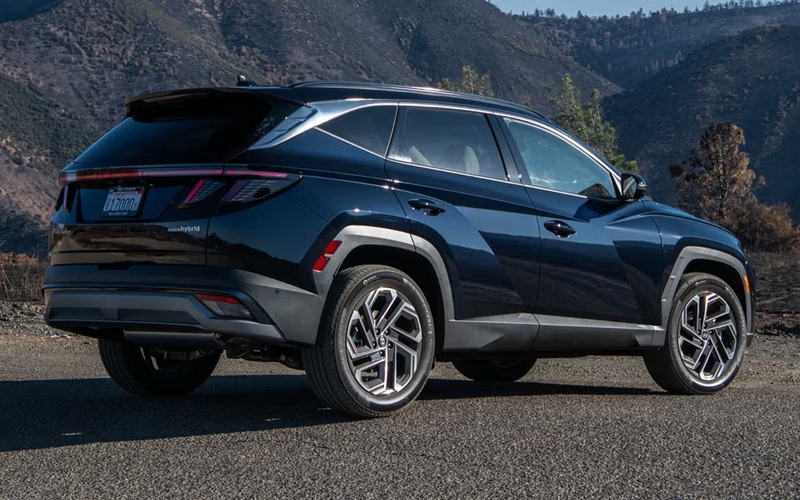
The Tucson Hybrid is available in Canada with HTRAC All-Wheel Drive, but AWD and winter tires perform different jobs. AWD helps deliver power to the wheels, while the tires determine how effectively the vehicle can grip the road.
Does the Hyundai Tucson Hybrid Need Winter Tires?
You can drive the Tucson Hybrid on its factory all-season tires, but that doesn't make all-season tires equivalent to winter tires. Hyundai Canada's current 2026 Tucson specifications list all-season tires as the factory equipment, depending on configuration. Tire sizes include P235/65R17, P235/60R18 and P235/55R19.
Hyundai Canada owner's information specifically recommends snow tires when road temperatures are below 7°C. It also recommends installing them on all four wheels to maintain balanced handling. So, if you regularly drive your Tucson Hybrid in Canadian winter conditions, winter tires are the right choice.
Why Does Temperature Matter?
Winter tire performance depends on more than whether there is snow on the road. As temperatures fall, the rubber compound used in a winter tire is designed to remain more flexible in cold conditions. Hyundai Canada explains that all-season tires can harden below 7°C and may not provide sufficient traction in cold, snowy, or icy conditions.
That means a winter tire can provide a traction advantage even when the road is completely dry. For example, a morning commute with temperatures below freezing may provide a reason to use winter tires even if the roads have already been cleared of snow.
Does AWD Mean You Don't Need Winter Tires?
The Hyundai Tucson Hybrid's available HTRAC All-Wheel Drive can help distribute engine torque to wheels with available traction. However, AWD cannot create grip where the tires have limited traction.
Think of the systems as doing different jobs:
AWD: Helps transfer available power to the wheels.
Winter tires: Help the tires maintain traction on cold, snowy, and icy roads.
A Tucson Hybrid equipped with AWD still benefits from winter tires when winter conditions warrant them. This distinction matters most when braking. AWD can help the vehicle accelerate, but it does not eliminate the need for appropriate tires when stopping on a slippery surface.
Are All-Season Tires Good Enough for a Mild Canadian Winter?
It depends on the conditions where you drive. Hyundai Canada states that all-season tires can be used in winter in mild-temperate regions. Still, it says they harden when temperatures drop below 7°C and don't provide enough traction for cold, snowy, or icy winter weather. Hyundai recommends all-weather tires for areas with moderate snowfall and winter tires for the best performance in snow. That creates a useful distinction.
If your winter driving consists mainly of relatively mild conditions with limited snow and ice, your decision may differ from that of someone who regularly drives on snow-covered or icy roads. For a driver who regularly encounters significant winter conditions, dedicated winter tires are the more appropriate option.
Should You Put Winter Tires on All Four Wheels?
Hyundai owner information specifically says that when snow tires are installed, they should be installed on all four wheels to balance handling in different weather conditions. Installing winter tires only on the front or rear would create different levels of available traction between the axles.
For the Tucson Hybrid, the better approach is a complete set of four winter tires matched to the vehicle. This also avoids having different tire types working against each other during acceleration, braking and cornering.
What Size Winter Tires Should a Tucson Hybrid Use?
Winter tires should match your specific Tucson Hybrid configuration.
Hyundai Canadian documentation lists several factory tire sizes, including:
235/65 R17
235/60 R18
235/55 R19
The applicable size depends on the vehicle's wheel configuration. Hyundai also states that snow tires should match the vehicle's standard tires in size and type. Therefore, don't choose a winter tire size simply because it fits physically inside the wheel well. Check the tire information for your specific Tucson Hybrid before purchasing.
What About a Separate Set of Winter Wheels?
A dedicated set of wheels can make seasonal tire changes more straightforward. Instead of removing and remounting the winter tires on the same wheels every season, you can have a complete winter wheel-and-tire setup.
The important considerations include:
Correct wheel size
Correct tire size
Appropriate load rating
Appropriate speed rating
TPMS compatibility
Proper wheel fitment
Hyundai Canada provides a Tire Finder specifically for selecting tires, wheels and packages for Hyundai vehicles. This can help you determine which wheel and tire combinations are appropriate for your particular Tucson Hybrid.
What About Tire Pressure in Cold Weather?
Cold temperatures affect tire pressure, so checking it regularly is especially important in winter. Documentation notes that tires typically lose approximately 1 psi (7 kPa) for every 7°C (12°F) drop in temperature. Hyundai also says that, when colder temperatures are expected soon, it is permissible to add 3 psi (20 kPa) to the standard specification.
The key point is not to guess at the correct pressure. Use the recommended cold tire pressure listed for your Tucson Hybrid, and check the tires when they are cold. Hyundai defines cold tires as tires on a vehicle that has not been driven for at least three hours or has been driven less than 1.6 km.
How Should You Prepare the Tucson Hybrid for Winter?
You can approach a simple winter tire setup in a few steps.
1. Check your current tire size
Look at the tire sidewall or the vehicle's tire information label to confirm the size fitted to your Tucson Hybrid.
2. Decide whether your driving conditions justify winter tires
Consider the temperatures, snowfall, ice, and road conditions you regularly encounter, not just whether snow is forecast.
3. Select four appropriate winter tires
Hyundai recommends installing snow tires on all four wheels.
4. Confirm the wheel and tire specifications
If you buy a separate winter wheel package, make sure the complete combination fits your Tucson Hybrid.
5. Check tire pressures
Set the pressure according to the Hyundai-recommended cold inflation specification.
6. Monitor pressure during temperature changes
A significant drop in temperature can reduce tire pressure, so check the tires periodically throughout the winter.
Are Winter Tires Better on Snow and Ice?
Hyundai Canada specifically states that all-season tires do not provide enough traction for cold, snowy or icy winter conditions and recommends winter tires for the best performance in snow.
The difference becomes particularly relevant during:
Snow-covered roads
Packed snow
Ice
Slush
Cold pavement
Temperatures below 7°C
Winter tires are designed for these conditions rather than serving as a single compromise for multiple seasons.
Does the Hybrid Powertrain Change the Tire Recommendation?
The fact that the Tucson is a Hybrid does not eliminate the Hyundai winter tire recommendation. The Canadian 2026 Tucson is available with a Hybrid powertrain and HTRAC All-Wheel Drive.
The important considerations for winter tires remain the same: correct tire specifications, proper inflation and appropriate traction for the conditions. If your Tucson Hybrid has AWD, that can complement the traction provided by winter tires, but it does not replace them.
What Should You Expect From Winter Tires?
When properly selected and inflated, winter tires are designed to provide traction suited to cold-weather conditions. However, they do not eliminate the need to adjust driving for the road.
Hyundai winter-driving guidance recommends maintaining sufficient following distance and avoiding sudden acceleration, braking and sharp steering inputs on snow or ice. Winter tires improve the tire's ability to interact with the road, but available traction still depends on the surface and conditions.
When Should You Switch Back to All-Season Tires?
The reverse of the winter-tire recommendation also matters. Winter tires are designed for cold conditions, so using them once temperatures have consistently risen above winter levels is not the intended year-round application.
The timing of seasonal tire changes depends on local weather and driving conditions, not a single calendar date. For Canadian drivers, the useful benchmark is the temperature trend: Hyundai specifically uses 7°C as the point below which snow tires are recommended.
The Bottom Line
Yes, you should consider winter tires for a Hyundai Tucson Hybrid if you regularly drive in Canadian winter conditions.
Hyundai recommends using snow tires when road temperatures are below 7°C (45°F) and says to install them on all four wheels.
The Tucson Hybrid's available HTRAC AWD can help with traction and power delivery, but AWD does not replace the grip provided by a tire designed for cold, snow and ice. If you drive your Tucson Hybrid in typical Canadian winter conditions, the most important steps are to choose four properly sized winter tires, maintain the recommended cold tire pressure, and make sure any separate winter wheel setup is compatible with the vehicle.
For drivers in areas with milder winters, the decision can depend on local temperatures and snowfall. Hyundai Canada notes that all-weather tires can work for moderate snowfall, while dedicated winter tires offer the best performance in snow.
*Disclaimer: Content contained in this post is for informational purposes only and may include features and options from US or internacional models. Please contact the dealership for more information or to confirm vehicle, feature availability.*


