
2026 Hyundai Tucson SUV: What Engines Are Available?
Compact sport utility vehicles rely on a combination of performance, efficiency, and reliability to meet the demands of everyday driving. One of the most important factors influencing these characteristics is the engine. Modern engine development focuses on maximizing power output while reducing fuel consumption and emissions. Achieving this balance requires integrating advanced technologies such as turbocharging, direct fuel injection, hybrid systems, and electronic engine management.
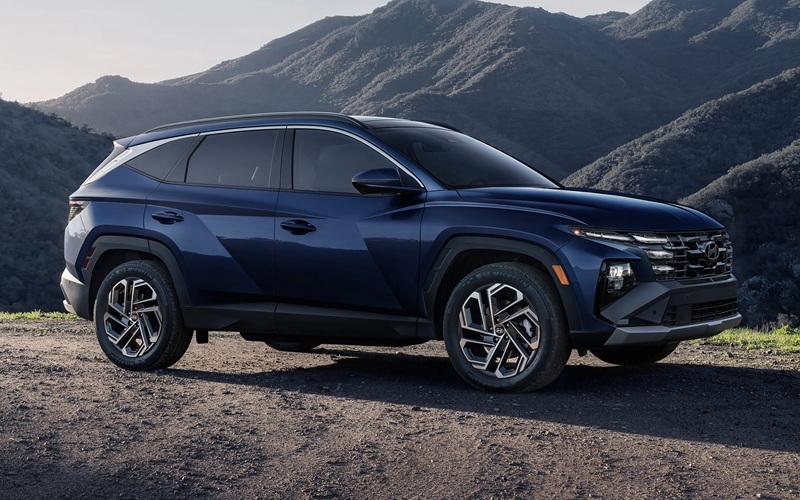
The Hyundai Tucson has become one of the most technologically advanced compact SUVs in its segment. Over multiple generations, its powertrain lineup has expanded to include both conventional gasoline engines and electrified alternatives. These engines are designed to support different driving needs, ranging from efficient daily commuting to stronger acceleration and improved torque for highway driving.
The Hyundai Tucson continues this approach by offering multiple powertrain configurations built around internal combustion engines and hybrid-electric systems. Each option combines mechanical components and electronic control systems that manage airflow, fuel delivery, combustion, and power distribution. These systems allow the vehicle to maintain efficiency and responsiveness across a wide range of driving conditions.
Overview of Tucson Powertrain Architecture
Multiple Powertrain Configurations
The 2026 Hyundai Tucson offers several propulsion systems built around different engine technologies. These include a conventional gasoline engine, a hybrid powertrain that combines a gasoline engine with an electric motor, and a plug-in hybrid system capable of operating on electricity alone for limited distances.
Each configuration is designed to meet specific efficiency and performance objectives. While gasoline engines focus on mechanical simplicity and steady performance, hybrid systems integrate electric propulsion to reduce fuel consumption and emissions.
Engine Control Systems
Modern engines rely on electronic control units that continuously monitor and adjust engine operation. Sensors throughout the powertrain measure variables such as air intake pressure, engine speed, fuel flow, and temperature.
The control system processes this information to regulate fuel injection timing, ignition timing, and throttle response. These adjustments ensure efficient combustion and stable engine operation.
2.5-Litre Four-Cylinder Gasoline Engine
Engine Design and Configuration
One of the primary engines available in the Hyundai Tucson is a naturally aspirated 2.5-litre inline four-cylinder gasoline engine. This engine uses a displacement of approximately 2,500 cubic centimetres and features a four-cylinder configuration arranged in a straight line.
The engine uses dual overhead camshafts and four valves per cylinder. This arrangement allows improved airflow through the intake and exhaust ports, supporting efficient combustion.
Because the engine is naturally aspirated, it relies on atmospheric pressure rather than forced induction to draw air into the cylinders.
Direct Fuel Injection
The engine uses direct fuel injection technology to deliver fuel precisely into the combustion chamber. High-pressure fuel injectors spray fuel directly into each cylinder rather than into the intake manifold.
This method improves fuel atomization and combustion efficiency. It also allows more precise control of the air-fuel mixture, which helps reduce emissions and improve power output.
Variable Valve Timing
Variable valve timing allows the engine to adjust when intake and exhaust valves open and close. By modifying valve timing according to engine speed and load, the system improves both efficiency and performance.
At low speeds, valve timing is optimized to improve fuel economy and smooth operation. At higher speeds, the system allows greater airflow into the cylinders, enabling stronger power output.
1.6-Litre Turbocharged Hybrid Engine
Turbocharged Engine Architecture
Hybrid versions of the Hyundai Tucson use a 1.6-litre turbocharged four-cylinder engine as the combustion component of the hybrid system. This engine has a displacement of approximately 1,600 cubic centimetres and uses forced induction to increase performance.
Turbocharging compresses incoming air before it enters the cylinders. This increases the amount of oxygen available for combustion, allowing the engine to generate greater power from a smaller displacement.
The turbocharger is driven by exhaust gases, which spin a turbine that drives a compressor wheel. The compressor then forces additional air into the intake system.
Intercooler Function
Because compressed air becomes hot, the system uses an intercooler to cool the air before it enters the engine.
The intercooler acts as a heat exchanger, cooling the compressed air with ambient airflow. Cooler air is denser, allowing more oxygen to enter the cylinders and improving combustion efficiency.
Hybrid Integration
In hybrid versions of the Tucson, the turbocharged engine works alongside an electric motor and battery pack.
The electric motor assists the engine during acceleration and low-speed driving. This allows the gasoline engine to operate more frequently within its most efficient range.
Plug-In Hybrid Powertrain
Additional Battery Capacity
The plug-in hybrid version of the Tucson uses the same turbocharged 1.6-litre engine but incorporates a larger high-voltage battery.
This larger battery allows the vehicle to operate in electric-only mode for longer distances compared with the standard hybrid.
The battery can be recharged externally through electrical outlets or charging equipment.
Electric Propulsion Mode
When sufficient battery charge is available, the vehicle can operate using only the electric motor. In this mode, the gasoline engine remains off while the motor draws power from the battery.
Electric propulsion is particularly useful during low-speed driving or short trips.
Combined Hybrid Operation
When additional power is needed or when the battery charge decreases, the gasoline engine and electric motor work together.
The hybrid control system determines how much power each component contributes based on driving conditions.
Turbocharging Technology
Energy Recovery from Exhaust
Turbocharging allows engines to recover energy from exhaust gases that would otherwise be wasted.
Exhaust gases leaving the engine spin a turbine wheel inside the turbocharger housing. This turbine drives a compressor that increases air pressure entering the engine.
This process increases engine efficiency and allows smaller engines to produce greater power.
Boost Pressure Control
Electronic control systems regulate turbocharger boost pressure. Sensors monitor air pressure in the intake system and adjust the turbocharger accordingly.
This ensures consistent engine performance without exceeding safe operating limits.
Transmission Integration
Automatic Transmission Systems
The engines available in the Hyundai Tucson pair with automatic transmissions designed to manage power delivery efficiently.
These transmissions select gear ratios that allow the engine to operate within an efficient speed range while maintaining smooth acceleration.
Hybrid Transmission Design
Hybrid versions of the Tucson use a transmission designed to integrate both the gasoline engine and electric motor.
This configuration allows the vehicle to transition smoothly between electric propulsion and hybrid operation.
Thermal Management Systems
Engine Cooling
All engine configurations in the Tucson use liquid cooling systems to regulate temperature. Coolant circulates through the engine block and cylinder head to absorb heat generated during combustion.
The heated coolant then travels to the radiator, where it releases heat into the surrounding air.
Hybrid Component Cooling
Hybrid and plug-in hybrid systems also require cooling for battery packs and power electronics.
Dedicated cooling circuits help maintain safe operating temperatures for these components.
Proper thermal management ensures long-term reliability of the hybrid system.
Fuel Efficiency Considerations
Engine Downsizing Strategy
Turbocharging and hybrid assistance allow manufacturers to use smaller engines while maintaining adequate performance.
This strategy reduces fuel consumption during light driving conditions.
Energy Recovery
Hybrid systems also improve efficiency by recovering energy during braking using regenerative braking.
This recovered energy is stored in the battery and used to assist the engine during acceleration.
2026 Hyundai Tucson FAQ Section
What engines are available in the 2026 Hyundai Tucson?
The vehicle offers a 2.5-litre four-cylinder gasoline engine, a turbocharged 1.6-litre hybrid engine, and a plug-in hybrid version of the same turbocharged engine.
How does the turbocharged engine increase power?
A turbocharger compresses incoming air, allowing more oxygen to enter the cylinders and enabling the engine to burn more fuel and generate additional power.
What is the difference between the hybrid and plug-in hybrid versions?
The plug-in hybrid uses a larger battery that allows longer electric-only driving and can be recharged using an external power source.
Can the Tucson operate using only electricity?
Yes. The plug-in hybrid version can drive using electric power alone when the battery contains sufficient charge.
How do hybrid systems improve fuel efficiency?
Hybrid systems use electric motors to assist the gasoline engine and recover energy during braking, reducing overall fuel consumption.
*Disclaimer: Content contained in this post is for informational purposes only and may include features and options from US or internacional models. Please contact the dealership for more information or to confirm vehicle, feature availability.*


