
2026 Hyundai Tucson in Winter: Engine Operation Temperature
The Hyundai Tucson continues to define the compact SUV category, combining cutting-edge technology, versatile performance, and refined engineering designed to tackle the most challenging winter conditions. With notable updates for the new model year, the Tucson delivers enhanced cold-weather performance for families and adventurers alike.
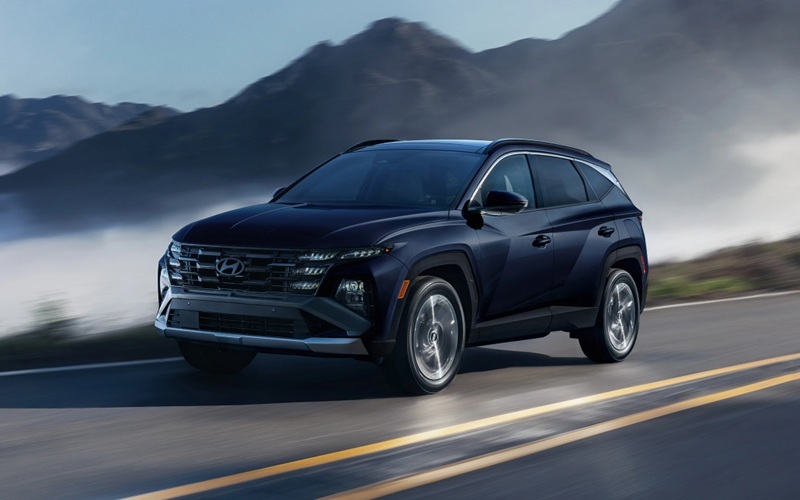
What's New for 2026?
The Hyundai Tucson features an advanced thermal management system engineered to maintain optimal engine operating temperature even in the harshest winter conditions. Inside, a reimagined temperature-control system delivers more efficient heating, advanced engine monitoring, enhanced cold-start technology, and intelligent temperature regulation that adapts to changing conditions.
The redesigned powertrain includes updated cold-weather features to address the unique challenges drivers face during the winter months. Whether navigating urban streets or exploring scenic routes in sub-zero temperatures, the advanced thermal technology ensures reliable performance and confidence in varied winter road conditions.
Engine Operation Temperature
The Tucson engine is designed to operate at an optimal temperature range of 90-104°C under normal driving conditions. This temperature range represents the perfect balance between efficiency and performance.
Under the hood, the Tucson offers sophisticated temperature management systems that monitor and maintain proper engine heat. The base 2.5-litre engine and available hybrid powertrains feature advanced thermal regulation technology that quickly brings the engine to operating temperature while preventing overheating during extended operation.
The intelligent thermal management system continuously monitors coolant temperature and adjusts key parameters to ensure optimal performance under varying external conditions. For those operating in frigid winter conditions, this system provides reliable engine operation even when temperatures drop well below freezing.
Cold Start Technology
Starting your vehicle in winter presents unique challenges, especially for the engine. The Tucson addresses these challenges head-on with its advanced cold start technology.
When temperatures plummet, the enhanced cold-start system activates automatically, adjusting fuel injection patterns and ignition timing to ensure smooth operation. The system delivers the exact amount of fuel for efficient combustion, even when engine components are cold, reducing wear and tear and improving fuel efficiency during those critical first moments.
The advanced block heater system, available throughout the lineup, can be programmed through the Bluelink app to pre-warm the engine before your morning commute. This feature not only improves immediate engine performance but also enhances cabin heating, ensuring both you and your vehicle start the day in comfort.
Advanced Thermal Management System
The Hyundai Tucson features a sophisticated thermal management system that represents a significant advancement in maintaining optimal engine temperature during winter operation.
At the heart of this system is the variable-flow water pump that adjusts coolant circulation based on real-time engine needs rather than engine speed. This intelligent approach enables faster engine warm-up in cold conditions while preventing overcooling during highway driving, achieving an optimal balance between efficiency and temperature regulation.
The electronic thermostat provides precise control of coolant flow, enabling the engine to reach optimal operating temperature faster and maintain it more consistently than conventional mechanical systems. For drivers facing fluctuating winter temperatures, this translates to more consistent performance and improved fuel efficiency.
Working alongside these technologies, the split cooling system separately manages cylinder-head and engine-block temperatures. This innovative approach prioritizes warming the cylinder heads during cold starts, improving combustion efficiency and reducing emissions during those critical first minutes of operation.
Winter Performance Features
Safety is always prioritized in the Tucson, with temperature-adaptive systems included as standard. The available All-Wheel Drive system features intelligent thermal monitoring that adjusts power distribution based on traction conditions and optimal operating temperatures for various drivetrain components.
The enhanced Battery Thermal Management System ensures the 12-volt battery and, in hybrid models, the high-voltage battery maintain optimal temperature ranges even in extreme cold. This sophisticated system monitors battery temperature and activates heating elements when necessary to maintain peak performance and extend battery life.
For those seeking more capability in winter conditions, the Tucson offers an available Winter Mode that optimizes various vehicle systems for cold-weather operation. This integrated approach adjusts throttle response, transmission shift patterns, and climate control settings to achieve an optimal balance of performance, efficiency, and comfort.
Interior Comfort and Engine Temperature
Step inside the Tucson and find a spacious cabin equipped with an advanced heating system that works in harmony with engine temperature management. With dual-zone climate control standard across most of the lineup, the Tucson offers personalized comfort while optimizing engine warm-up times.
The available heated steering wheel, front seats, and rear seats activate rapidly thanks to the improved thermal management system. These comfort features benefit from intelligent integration with the engine management system, balancing passenger comfort with efficient engine operation during cold starts.
The redesigned ventilation system delivers warm air more efficiently throughout the cabin while minimizing engine load during the critical warm-up period. This thoughtful engineering ensures passengers remain comfortable without compromising engine performance or extending the time required to reach optimal operating temperature.
Tucson Engine Protection Features
The advanced engine protection features work tirelessly to safeguard the powertrain in extreme winter conditions. The sophisticated freeze protection system prevents coolant from freezing, even in the most severe cold snaps, while the oil viscosity management system ensures proper lubrication when temperatures drop dramatically.
The intelligent monitoring system continuously monitors coolant and oil temperatures and provides real-time feedback via the digital instrument cluster. Should temperatures approach concerning levels, the system alerts the driver and can automatically adjust vehicle operation to protect critical components.
For added peace of mind, the Tucson includes an enhanced warning system that notifies drivers of potential temperature-related issues before they become serious problems. This proactive approach to engine protection ensures reliable performance and longevity even for those who regularly face extreme winter conditions.
How to Maintain Optimal Engine Temperature in Winter
The Tucson cargo space adapts to your winter adventure needs, with up to 2,100 litres of space when the rear seats are folded flat. Whether it's gear for a weekend ski trip or daily winter errands, the Tucson provides the flexibility you need without compromising the thermal protection systems that safeguard the engine.
The redesigned underbody panels serve dual purposes – improving aerodynamic efficiency while also providing additional thermal insulation for critical powertrain components. This thoughtful engineering helps the engine maintain optimal operating temperature even when driving through deep snow or slush.
With features such as remote start and programmable climate control, the Tucson lets you precondition the cabin and engine before your journey begins. This not only enhances comfort but also reduces strain on the engine by allowing it to warm up gradually before driving.
Explore the 2026 Tucson at Your Local Hyundai Dealer
The Hyundai Tucson delivers an optimal balance of winter performance, engine protection, and driver convenience. Its sophisticated thermal management system ensures reliable operation even in the most challenging conditions while providing the comfort and capability winter drivers demand.
Whether you're looking for a specific model or trim to suit your winter driving needs, the dedicated team at your local Hyundai dealership is here to assist you every step of the way. Visit today to explore the advanced features and experience its cold-weather capabilities firsthand with a test drive.
Q&A: Common Questions About the 2026 Tucson in Winter
What is the normal operating temperature for the 2026 Hyundai Tucson engine?
The engine is designed to operate at a temperature range of 90-104°C under normal driving conditions. This optimal range balances performance, efficiency, and emissions control while providing reliable operation in various climate conditions.
How long does it take for the 2026 Tucson engine to reach operating temperature in winter?
This SUV features an advanced thermal management system that brings the engine to operating temperature significantly faster than previous generations. In typical winter conditions of -10°C, the engine reaches optimal operating temperature within approximately 3-5 minutes of driving, depending on driving style and external factors.
Does the 2026 Tucson have a block heater for extreme cold?
Yes, it offers an available engine block heater designed for extreme cold environments. This system can be programmed through the Bluelink app to activate at specific times, ensuring the engine is pre-warmed before your journey begins and dramatically reducing warm-up time and cold-start wear.
Will driving short distances in winter damage the Tucson engine?
It features enhanced protection for short-distance winter driving. While all vehicles benefit from occasionally reaching full operating temperature, the advanced thermal management system better protects the engine during short trips by accelerating the warm-up process and reducing condensation build-up in the crankcase.
How does the Tucson hybrid system perform in cold weather?
These models include a dedicated battery thermal management system that maintains optimal battery temperature even in extreme cold. This ensures reliable hybrid operation, efficient regenerative braking, and consistent electric assist across external temperatures, delivering consistent performance and efficiency even in the most challenging winter conditions.
*Disclaimer: Content contained in this post is for informational purposes only and may include features and options from US or international models. Please contact the dealership for more information or to confirm vehicle, feature availability.*


