
2026 Hyundai Santa Fe: Which Wheels Suit This SUV Best?
The best wheels for the Hyundai Santa Fe depend on how the vehicle is used throughout the year. For most Canadian drivers, the factory alloy wheels supplied with the vehicle provide the best balance of strength, weight, durability, ride quality, and compatibility with the Santa Fe's suspension and braking systems. Steel wheels remain a practical option for dedicated winter tire packages because of their durability, lower replacement cost, and ability to withstand harsh winter conditions.
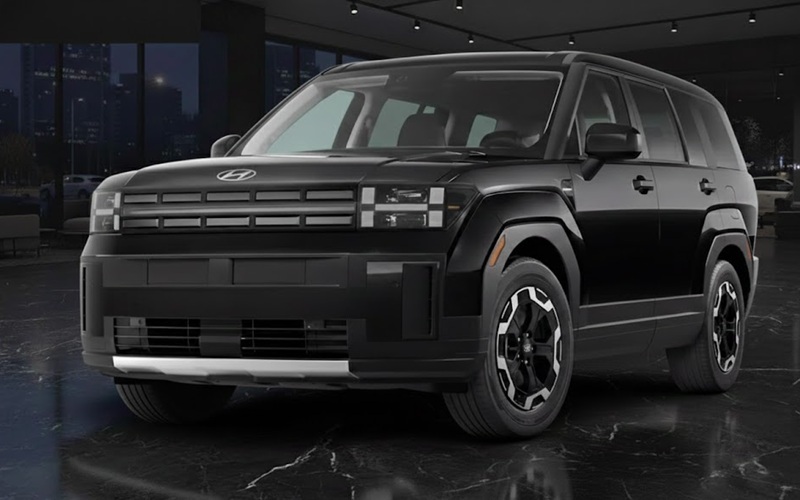
The Hyundai Santa Fe is engineered around specific wheel diameters, offsets, bolt patterns, load ratings, and Tire Pressure Monitoring System (TPMS) requirements. Selecting wheels that match the original Hyundai equipment specifications helps preserve handling, braking performance, electronic safety system calibration, and ride comfort.
2026 Hyundai Santa Fe Technical Specs
OEM Wheel Design
The Hyundai Santa Fe sold in Canada is available with several factory wheel designs depending on trim level. Wheel diameters generally range from 18-inch to 21-inch alloy wheels, with tire sizes and suspension calibration matched to each configuration.
Each factory wheel is designed to work with:
vehicle curb weight
maximum gross vehicle weight
suspension geometry
steering calibration
brake rotor clearance
TPMS sensors
electronic stability systems
traction control
Changing to an aftermarket wheel should never alter these engineering requirements.
Steel Versus Alloy Wheels
Steel Wheels
Steel wheels remain a practical solution for seasonal winter use.
Advantages include:
high resistance to impact damage
easier repair after minor deformation
good durability on rough winter roads
compatibility with winter tire packages
However, steel wheels are significantly heavier than comparable alloy wheels. The additional unsprung mass can slightly reduce steering responsiveness and increase suspension workload during everyday driving. For this reason, steel wheels are typically recommended as seasonal equipment rather than year-round replacements.
Alloy Wheels
Factory alloy wheels are the preferred choice for normal operation.
Compared with steel wheels, alloy wheels offer:
lower weight
improved steering response
reduced unsprung mass
better heat dissipation around the braking system
improved fuel efficiency through reduced rotating weight
optimized suspension performance
The Santa Fe suspension tuning has been developed around these lighter wheel assemblies.
Wheel Construction
Modern alloy wheels for the Hyundai Santa Fe are manufactured using cast aluminum alloy construction.
This process provides an effective balance between:
structural rigidity
manufacturing precision
corrosion resistance
impact strength
weight reduction
Factory wheels are designed to meet the Hyundai structural testing requirements, including radial fatigue, cornering fatigue, and impact resistance.
Strength and Durability
Wheel strength depends on both material and design. Steel wheels typically tolerate severe pothole impacts by bending rather than cracking. Alloy wheels generally maintain better dimensional accuracy and lower weight but may sustain structural damage after severe impacts. For the Santa Fe, factory alloy wheels are engineered to support the vehicle's maximum load capacity while maintaining proper handling characteristics. Wheel replacement should always meet or exceed the original equipment load rating.
Weight Differences
Wheel weight influences several vehicle characteristics. Lighter alloy wheels reduce unsprung weight, allowing the suspension to react more efficiently to road surface changes.
Benefits include:
improved ride control
quicker steering response
reduced suspension stress
more consistent tire contact with the road
Heavier steel wheels increase rotational inertia and require slightly more energy during acceleration and braking. Although the difference is relatively small during everyday driving, Hyundai chassis calibration is optimized for the original alloy wheel packages supplied with most trims.
Ride Comfort
Wheel diameter affects ride quality. The Santa Fe offers multiple factory wheel sizes because each provides a different balance between handling and comfort.
18-inch wheels
Generally provide:
taller tire sidewalls
greater cushioning over road irregularities
improved ride comfort
better protection against pothole damage
20-inch wheels
Provide a balance between:
steering precision
appearance
ride quality
21-inch wheels
Available on higher trim levels, these offer:
lower-profile tires
quicker steering response
firmer road feel
reduced sidewall flex
Because the suspension is calibrated specifically for each wheel package, factory combinations maintain predictable vehicle behaviour.
Winter Driving Considerations
Canadian winter conditions place additional demands on wheel assemblies. Dedicated winter wheels simplify seasonal tire changes while protecting factory wheels from road salt, ice, and gravel.
Many owners select steel wheels for winter because they:
tolerate road debris well
simplify seasonal tire installation
reduce exposure of factory alloy finishes to corrosive winter conditions
Others prefer smaller alloy winter wheels that meet Hyundai specifications, providing reduced weight while maintaining winter durability. Wheel diameter should remain within the Hyundai approved combinations to ensure adequate brake clearance.
Corrosion Resistance
Road salt is one of the primary causes of wheel deterioration during Canadian winters.
Factory alloy wheels receive protective finishes that help resist:
oxidation
moisture
road salt
brake dust contamination
However, damaged clear coatings may allow corrosion to develop over time. Steel wheels generally use painted finishes that can also deteriorate if chips expose bare metal. Regular cleaning during winter helps extend wheel service life regardless of material.
OEM Specifications
Any replacement wheel should match the original Hyundai specifications for:
bolt pattern
centre bore
wheel offset
diameter
width
load capacity
brake clearance
Incorrect specifications may affect:
steering geometry
wheel bearing loads
suspension travel
electronic stability control calibration
tire wear
Southtown Hyundai can verify whether replacement wheels satisfy the factory requirements for a specific Santa Fe trim.
Compatible Wheel Sizes
The Hyundai Santa Fe is engineered around approved wheel and tire combinations supplied by Hyundai.
Depending on trim level, compatible factory wheel diameters include:
18-inch
20-inch
21-inch
Changing wheel diameter without maintaining the overall tire rolling circumference may affect:
speedometer accuracy
odometer readings
transmission calibration
stability control operation
anti-lock braking performance
Maintaining the original outside tire diameter is essential whenever alternate wheel sizes are installed.
Load Ratings
The Santa Fe is designed to carry passengers and cargo while maintaining stable vehicle dynamics. Each wheel must support the vehicle's specified maximum axle loads.
Using wheels with insufficient load ratings may result in:
wheel fatigue
excessive flex
premature structural damage
compromised handling
Replacement wheels should always equal or exceed the original equipment load specifications.
Finish Durability
Factory wheel finishes are designed to withstand year-round exposure.
Common finishes include:
machined aluminum with clear coating
painted alloy
gloss finishes
satin finishes
Regularly cleaning wheels removes brake dust, salt, and contaminants that can gradually damage protective coatings. Harsh abrasive cleaners should be avoided because they may reduce finish longevity.
Seasonal Wheel Recommendations
Many Canadian owners maintain two complete wheel sets.
A typical seasonal arrangement includes:
Summer
factory alloy wheels
all-season or summer tires
Winter
dedicated steel or approved alloy wheels
certified winter tires
TPMS sensors where applicable
Using complete wheel assemblies reduces repeated tire mounting and minimizes the risk of wheel or tire bead damage.
Maintenance Practices
Routine wheel maintenance supports safe vehicle operation.
Recommended practices include:
checking wheel torque after installation
inspecting wheels for impact damage
cleaning road salt regularly
inspecting valve stems
checking for corrosion around bead seating areas
balancing wheels whenever vibration develops
rotating tires according to the Hyundai maintenance schedule
Periodic inspection also helps identify bent wheels before they contribute to uneven tire wear.
Compatibility with TPMS Sensors
The Hyundai Santa Fe uses a Tire Pressure Monitoring System to monitor individual tire pressures. Replacement wheels should accommodate compatible TPMS sensors.
When installing seasonal wheel packages, owners typically have two options:
transfer the original sensors
install a second compatible TPMS sensor set
Using compatible sensors allows the system to continue monitoring tire pressure and displaying warnings when necessary. Improper sensor installation or incompatible wheels may prevent accurate TPMS operation.
Technicians at Southtown Hyundai can confirm proper sensor compatibility during seasonal wheel installation.
Driver Experience
Factory alloy wheels deliver the driving characteristics intended for the Hyundai Santa Fe. The combination of wheel size, tire profile, suspension calibration, and steering tuning provides predictable handling across a wide range of Canadian driving conditions.
Drivers seeking maximum ride comfort generally benefit from the factory 18-inch wheel package because the taller tire sidewall absorbs more road imperfections.
Drivers who prioritize steering precision may prefer the factory 20-inch or 21-inch configurations, which reduce tire sidewall flex while maintaining compatibility with the electronic stability and braking systems.
Regardless of wheel size, maintaining the original equipment specifications ensures consistent steering feel, braking performance, and electronic safety system operation.
Service Requirements
Wheel inspections should be performed during routine maintenance and after significant impacts with potholes or curbs.
Service should include:
inspection for cracks or bends
wheel balance verification
torque confirmation
TPMS operation check
corrosion inspection
valve stem inspection
tire bead sealing inspection
If replacement becomes necessary, the new wheel should match the approved Hyundai dimensions, load capacity, and offset to preserve the Santa Fe's original handling and safety characteristics.
2026 Hyundai Santa Fe FAQ
1. Are alloy wheels better than steel wheels for the 2026 Hyundai Santa Fe?
For year-round driving, factory alloy wheels provide lower weight, improved steering response, and better brake cooling. Steel wheels are commonly chosen for dedicated winter tire packages because of their durability.
2. Which factory wheel sizes are available on the 2026 Hyundai Santa Fe?
Depending on the Canadian trim level, it is available with factory 18-inch, 20-inch, or 21-inch wheel packages.
3. Can I install aftermarket wheels on the 2026 Hyundai Santa Fe?
Yes, provided they match the brand specifications for diameter, width, offset, bolt pattern, centre bore, brake clearance, and load rating.
4. Do seasonal wheels require TPMS sensors?
To maintain full Tire Pressure Monitoring System functionality, seasonal wheel sets should be equipped with compatible TPMS sensors or use the original sensors if they are transferred.
5. Which wheel type is recommended for Canadian winter driving?
Many owners choose dedicated steel wheels or Hyundai-approved alloy wheels fitted with winter tires, as both options can provide reliable winter performance when they meet the Santa Fe's original equipment specifications.
*Disclaimer: Content contained in this post is for informational purposes only and may include features and options from US or internacional models. Please contact the dealership for more information or to confirm vehicle, feature availability.*


