
2026 Hyundai Kona: How Does the Defrost System Work?
The Hyundai Kona uses an integrated Heating, Ventilation and Air Conditioning (HVAC) system to remove frost, ice, and interior windshield condensation. Depending on the Canadian trim level, the system combines electrically controlled air distribution doors, a heater core, air conditioning compressor, blower motor, rear window defogger, heated exterior mirrors, and automatic climate control functions to restore windshield visibility efficiently.
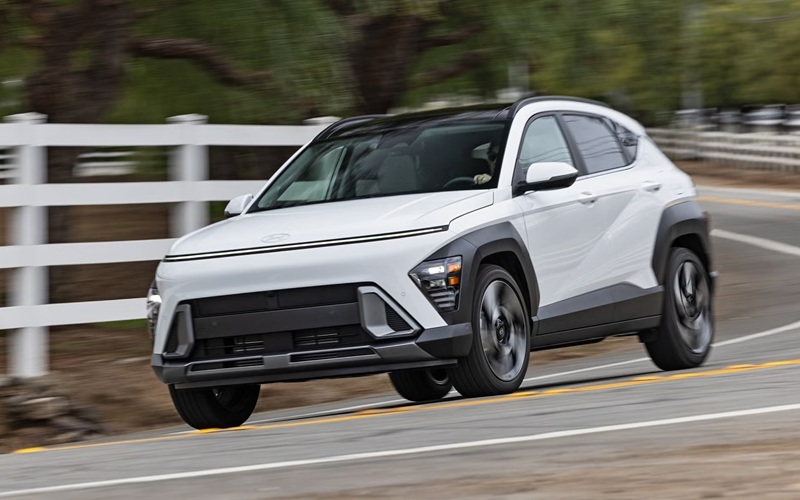
When Defrost mode is selected, the HVAC control module directs most airflow toward the windshield and front side windows while automatically adjusting blower speed, air temperature, fresh-air intake, and air conditioning compressor operation to reduce cabin humidity. On models equipped with automatic climate control, the system continuously adjusts these settings to clear the glass while maintaining cabin comfort.
System Architecture
Integrated HVAC Design
The Hyundai Kona sold in Canada uses a compact HVAC module located beneath the instrument panel. This assembly manages cabin heating, cooling, ventilation, and windshield defrost through electronically controlled airflow passages.
The primary HVAC components include:
HVAC control module
blower motor
evaporator core
heater core
air mix door
mode door actuators
intake air door
cabin air filter
air ducts
windshield defroster outlets
Rather than using a separate defrost unit, the Kona integrates all windshield clearing functions into the central climate control system.
Airflow Routing
During normal operation, airflow may be directed toward the dashboard vents, floor outlets, or a combination of both. When Defrost mode is activated, the HVAC control module repositions the internal mode doors to send most of the airflow toward the long defroster outlet located at the base of the windshield. Additional airflow is directed toward the front side window outlets to reduce condensation on the driver and front passenger door glass. This distribution pattern allows warm, dry air to contact the largest glass surfaces first, improving visibility during cold Canadian weather.
Automatic Climate Control Integration
Higher Canadian trim levels equipped with automatic climate control simplify windshield clearing. Instead of requiring manual adjustment of several controls, the climate control module automatically determines:
blower speed
outlet selection
air temperature
fresh-air intake position
compressor engagement
The objective is to remove moisture from the cabin as efficiently as possible while maintaining occupant comfort. Automatic climate control continuously adjusts system output as cabin conditions change.
Air Conditioning Compressor Operation
Many drivers associate the air conditioning compressor only with summer cooling, but it also contributes to windshield defogging. When outside conditions permit, selecting Defrost mode may activate the compressor even during winter. The evaporator removes moisture from incoming cabin air before the heater core reheats it.
The result is warm, dry air that absorbs moisture from the inside surface of the windshield more effectively than warm air alone. Under certain low-temperature conditions, compressor operation may be limited to protect the refrigeration system.
Component Breakdown
Blower Motor
The blower motor provides the airflow necessary for all HVAC functions. When Defrost mode is selected, blower speed typically increases automatically to maximize the volume of conditioned air reaching the windshield. Higher airflow accelerates frost removal and improves how quickly interior condensation disappears.
Heater Core
The heater core receives hot engine coolant and transfers thermal energy into the incoming airflow. As air passes through the heater core, its temperature rises before it is directed toward the windshield. The heater core plays the primary role in melting exterior frost and warming interior glass surfaces. Hybrid versions of the Kona may manage cabin heating differently during certain operating conditions to improve overall energy efficiency, but the objective of supplying heated air to the windshield remains the same.
Evaporator Core
The evaporator functions whenever the air conditioning compressor operates. During defrost, its primary contribution is moisture removal rather than cooling. Reducing humidity inside the HVAC housing allows the heated air delivered to the windshield to absorb moisture more effectively.
Cabin Air Distribution
The HVAC system distributes conditioned air through multiple outlet locations.
During Defrost mode, airflow is prioritized as follows:
windshield outlet
front side window outlets
limited floor airflow, depending on selected mode
Some operating modes combine windshield and floor airflow to improve passenger comfort while maintaining glass visibility.
Rear Window Defogger
The rear window uses an electrically heated defogger integrated directly into the glass. Thin conductive elements embedded within the rear window generate heat when activated. Unlike the front windshield, the rear window does not rely on HVAC airflow for defrosting. The rear defogger typically operates for a timed interval before switching off automatically to reduce electrical load.
Heated Exterior Mirrors
Many Canadian Kona trims equipped with heated outside mirrors activate mirror heating simultaneously with the rear window defogger. Heating elements positioned behind the mirror glass reduce frost and condensation. Improved mirror visibility complements the windshield defrost system by enhancing rearward visibility during winter driving.
Driver Controls
The climate control panel provides direct access to windshield clearing functions.
Typical controls include:
Front Defrost
Rear Defogger
Temperature adjustment
Blower speed
Air distribution mode
Fresh-air or recirculation selection
Automatic climate mode, where equipped
Selecting the Front Defrost button usually overrides several manual settings to optimize windshield clearing performance.
Humidity Sensors
Certain Canadian Kona models equipped with automatic climate control may use cabin humidity information to optimize defogging performance.
When elevated humidity is detected, the climate control system can automatically adjust:
airflow direction
blower speed
compressor operation
intake air selection
This automatic regulation helps reduce windshield fogging before visibility is significantly affected.
Cold Weather Considerations
Canadian Winter Performance
The Hyundai Kona is designed to operate across a wide range of Canadian winter temperatures.
Windshield clearing performance depends on several operating factors, including:
engine temperature
outside air temperature
cabin humidity
blower speed
ice thickness
vehicle operating time
The defrost system generally becomes more effective after the engine reaches normal operating temperature and the heater core receives sufficient coolant flow.
Frost Removal Efficiency
Exterior frost removal occurs through heat transfer from warm airflow to the windshield. Thin frost typically clears more quickly than heavy ice accumulation. If thick ice is present, using an ice scraper before activating the defrost system reduces the time required to restore visibility. The combination of heated airflow and the air conditioning system's dehumidification function improves interior defogging efficiency compared with heat alone.
Cabin Humidity
Excess cabin moisture significantly affects defrost performance.
Common moisture sources include:
wet clothing
snow-covered footwear
melting ice
multiple passengers
damp floor mats
Higher humidity increases the amount of condensation that forms on the windshield. Using fresh outside air rather than continuous air recirculation generally improves moisture removal during defrost operation.
Situations That Reduce Defrost Effectiveness
Several conditions can reduce windshield-clearing performance.
These include:
clogged cabin air filter
low engine coolant level
insufficient engine warm-up
blocked windshield air outlets
excessive interior humidity
damaged HVAC actuators
malfunctioning air conditioning compressor
heavy ice accumulation
Keeping dashboard defroster outlets free of objects also helps maintain unrestricted airflow.
Maintenance Considerations
Routine maintenance helps preserve defrost performance throughout the vehicle's service life.
Recommended inspection items include:
cabin air filter replacement
coolant level inspection
HVAC airflow verification
blower motor operation
air conditioning performance
rear window defogger operation
heated mirror function, where equipped
A restricted cabin air filter can reduce airflow reaching the windshield, extending the time required to clear frost or condensation.
If defrost performance declines noticeably, technicians at Southtown Hyundai can inspect the HVAC system for airflow restrictions, actuator faults, refrigerant-related issues, or electronic control concerns.
2026 Hyundai Kona FAQ
1. Does the 2026 Hyundai Kona use the air conditioning compressor during defrost?
Yes. When operating conditions permit, the compressor may run during Front Defrost mode to remove moisture from the air before it is reheated and directed toward the windshield.
2. Why does the windshield clear faster after the engine warms up?
The heater core depends on hot engine coolant. As coolant reaches normal operating temperature, the HVAC system can deliver warmer air to melt frost and eliminate condensation more effectively.
3. Does the rear window use the same defrost system as the windshield?
No. The windshield is cleared with heated HVAC airflow, while the rear window uses electrically heated conductive elements embedded in the glass.
4. Do heated mirrors operate with the rear defogger?
On Canadian Kona trims equipped with heated exterior mirrors, the mirror heaters typically activate when the rear window defogger is switched on.
5. What commonly reduces defrost performance on the 2026 Hyundai Kona?
Restricted cabin air filters, excessive interior humidity, blocked defroster vents, insufficient engine warm-up, HVAC component faults, and heavy ice accumulation can all reduce the effectiveness of the windshield defrost system.
*Disclaimer: Content contained in this post is for informational purposes only and may include features and options from US or internacional models. Please contact the dealership for more information or to confirm vehicle, feature availability.*


