
2025 Hyundai Elantra Transmission Options For Performance
The Hyundai Elantra represents the continuation of the seventh generation of this popular compact sedan, now with refined powertrain options across its diverse lineup. The transmission systems in the Elantra play a crucial role in its performance, fuel efficiency, and overall driving experience.
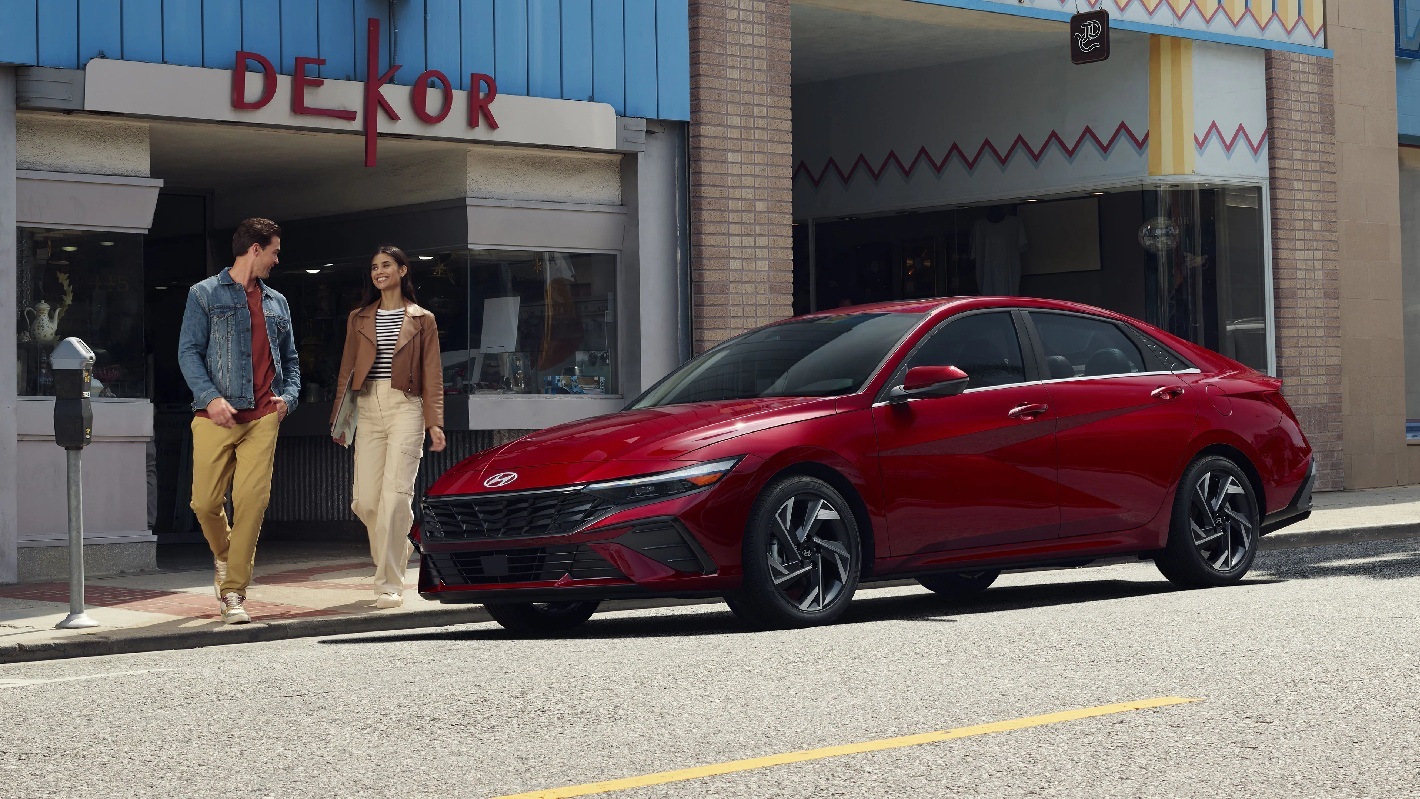
Overview of 2025 Elantra Transmission Lineup
The Hyundai Elantra offers three distinct transmission types across its model range:
Intelligent Variable Transmission (IVT)
Six-speed manual transmission
Seven-speed Dual-Clutch Transmission (DCT)
Each transmission is specifically paired with certain engine types and trim levels to optimize performance, efficiency, and driving dynamics. The selection of transmission significantly influences how the vehicle delivers power to the wheels, its fuel consumption, and the overall character of the driving experience.
Intelligent Variable Transmission (IVT)
Technical Specifications and Design
The Intelligent Variable Transmission serves as the primary automatic option for most Elantra trims. This transmission type represents Hyundai advanced take on the continuously variable transmission concept:
Chain-belt driven system with push-belt technology
Eight simulated gear steps for more natural driving feel
Wider ratio spread of 6.58:1 compared to traditional CVTs
Step-shift programming mimicking conventional automatic transmissions
Adaptive shift logic based on driving patterns and conditions
Approximate weight of 70 kg, lighter than traditional automatics
Maximum torque handling capacity of 210 Nm (155 lb-ft)
Unlike conventional CVTs that can create a “rubber-band” effect where engine RPM and vehicle speed seem disconnected, the Hyundai IVT employs an advanced control strategy that mimics the stepped gear changes of traditional automatics while retaining the efficiency benefits of a continuously variable design.
Performance Characteristics
The IVT delivers several performance advantages:
Smooth, stepless acceleration without gear-change interruptions
Superior fuel efficiency compared to conventional automatics
Shift-logic adaptation to driving style and conditions
Sport mode that maintains higher engine RPM for improved responsiveness
Shift-by-wire electronic gear selector
Reduced internal friction for improved mechanical efficiency
Quick response to throttle inputs through adaptive control algorithm
Trim Availability
The IVT comes standard on the following Elantra trims:
Essential
Preferred
Luxury
Ultimate
This transmission is paired with the standard 2.0-litre four-cylinder engine producing 147 horsepower and 179 Nm (132 lb-ft) of torque, offering a balanced blend of efficiency and everyday performance for most drivers.
Six-Speed Manual Transmission
Technical Specifications and Design
The six-speed manual transmission remains available for driving enthusiasts who prefer direct control over their vehicle’s performance:
Six forward gears with optimized ratios for performance and efficiency
Short-throw shifter design with 62 mm shift throws
Dual-mass flywheel for reduced vibration and improved refinement
Carbon-coated synchronizer rings for smoother shifts
Cable-operated shifting mechanism for precise feel
Approximate weight of 49 kg, significantly lighter than automatic options
Maximum torque handling of 220 Nm (162 lb-ft)
This transmission is designed to provide an engaging driving experience while still delivering reasonable fuel efficiency. The short-throw shifter and well-defined gate pattern allow for quick, precise gear changes.
Performance Characteristics
The six-speed manual offers distinctive performance attributes:
Direct mechanical connection between engine and transmission
No parasitic power loss from a torque converter
Ability to hold gears longer for maximum acceleration
Immediate downshift capability for passing maneuvers
Hill-start assist system to prevent rollback
Rev-matching capability (driver-executed)
Clutch with moderate effort and clear engagement point
Trim Availability
The six-speed manual transmission is standard on:
Essential (base trim, can be optionally equipped with IVT)
N Line (performance-oriented trim)
On the N Line trim, the manual transmission is paired with the turbocharged 1.6-litre engine producing 201 horsepower and 264 Nm (195 lb-ft) of torque, creating a more driver-focused experience.
Seven-Speed Dual-Clutch Transmission (DCT)
Technical Specifications and Design
The seven-speed dual-clutch transmission represents the most technologically advanced option in the Elantra lineup:
Dry dual-clutch design with electro-hydraulic actuation
Seven forward gears with performance-oriented ratios
Twin input shafts with odd and even gears on separate clutches
Integrated transmission control unit for rapid shift execution
Active thermal management system for optimal operation temperature
Approximate weight of 68 kg, lighter than conventional automatics
Maximum torque handling of 275 Nm (203 lb-ft)
This sophisticated transmission pre-selects the next anticipated gear using the inactive clutch, allowing for extremely rapid shift times when the clutches swap engagement. The design eliminates the power loss associated with torque converters in conventional automatics.
Performance Characteristics
The DCT delivers performance-focused attributes:
Shift times as quick as 0.15 seconds between gears
Direct power delivery without torque converter slip
Superior acceleration compared to IVT with same engine
Paddle shifters for manual gear selection
Multiple driving modes, including Normal, Sport, and Smart
Launch control functionality for optimized acceleration from standstill
Rev-matching on downshifts for smoother deceleration
Trim Availability
The seven-speed DCT is available on:
N Line (optional in place of six-speed manual)
N Line Ultimate (standard)
This transmission is exclusively paired with the turbocharged 1.6-litre engine in the sport-oriented N Line trims, enhancing the performance-focused character of these variants while still offering the convenience of an automatic.
Hybrid Powertrain Transmission
Technical Specifications and Design
The Elantra Hybrid models utilize a specialized six-speed dual-clutch transmission engineered specifically for hybrid application:
Six forward gears optimized for hybrid operation
Electric motor integrated within transmission housing
Clutch-to-clutch shifting without torque converter
Dedicated oil pump for cooling and lubrication
Active thermal management system
Approximate weight of 72 kg, including integrated electric motor components
Maximum combined torque handling of 265 Nm (195 lb-ft)
Unlike many hybrid vehicles that employ continuously variable transmissions, Hyundai has chosen a dual-clutch design for the Elantra Hybrid, providing a more engaging driving experience while maintaining excellent efficiency.
Performance Characteristics
The hybrid-specific DCT offers unique performance attributes:
Seamless transition between electric, hybrid, and engine-only operation
More direct power delivery compared to hybrid CVT systems
Sport mode that adjusts both engine response and electric motor assistance
Electric-only operation capability at speeds up to 120 km/h under light load
Regenerative braking integration with paddle-adjustable intensity
Specialized shift mapping to maximize electric motor assistance
Active Shift Control technology using the electric motor to match transmission speed during shifts
Trim Availability
The hybrid-specific six-speed DCT is standard on:
Hybrid Preferred
Hybrid Ultimate
This transmission is paired with the hybrid powertrain consisting of a 1.6-litre Atkinson-cycle four-cylinder engine and electric motor for a combined system output of 139 horsepower and 264 Nm (195 lb-ft) of torque.
Transmission Performance Comparison
When comparing the various transmissions across different driving scenarios, each exhibits distinct characteristics:
Fuel Efficiency:
Hybrid DCT: Most efficient overall at approximately 4.5 L/100 km combined
IVT: Most efficient non-hybrid option at approximately 6.7 L/100 km combined
Six-speed manual: Approximately 7.3 L/100 km combined (varies significantly with driving style)
Seven-speed DCT: Approximately 7.2 L/100 km combined with the turbocharged engine
Acceleration Performance (0-100 km/h):
Seven-speed DCT with 1.6T: Approximately 7.2 seconds
Six-speed manual with 1.6T: Approximately 7.4 seconds
Hybrid DCT: Approximately 8.7 seconds
IVT with 2.0L: Approximately 9.5 seconds
Driver Engagement:
Six-speed manual: Highest level of driver involvement and control
Seven-speed DCT: Quick shifts with paddle shifter control when desired
Hybrid DCT: Balanced performance with regenerative braking paddle control
IVT: Smooth, effortless operation with minimal driver intervention required
Five Elantra Transmission Facts
The Elantra IVT uses a chain-type belt rather than a push belt, making it the first Hyundai compact car to use this more durable and efficient design that reduces the “rubber band” feeling common in CVTs.
The N Line’s seven-speed DCT features an active thermal management system that can pre-heat the transmission fluid in cold conditions, allowing for optimal shift performance even when the vehicle is first started in winter.
The Hyundai decision to pair the Elantra Hybrid with a dual-clutch transmission rather than a CVT makes it one of the few hybrid vehicles in its class to use this sportier transmission type.
The six-speed manual transmission in the N Line model features a dual-mass flywheel that weighs 2.6 kg more than the single-mass unit in the Essential trim, specifically to handle the additional torque of the turbocharged engine.
The control software for the seven-speed DCT performs over 500 calculations per second to determine the optimal shift timing, factoring in throttle position, vehicle speed, engine load, and even incline angle.
What makes the Intelligent Variable Transmission different from a traditional CVT?
The Intelligent Variable Transmission uses a chain-type belt and sophisticated control software that simulates eight distinct gear ratios to create the feeling of a conventional automatic transmission, eliminating the “rubber band” sensation often associated with CVTs while maintaining their efficiency benefits.
Can I get a manual transmission in any 2025 Elantra trim?
Yes, the six-speed manual transmission is standard on the base Essential trim and the performance-oriented N Line trim. All other trims come exclusively with automatic transmissions: either the Intelligent Variable Transmission, seven-speed dual-clutch transmission, or the hybrid-specific six-speed dual-clutch transmission.
Which transmission offers the best fuel efficiency in the 2025 Elantra lineup?
The six-speed dual-clutch transmission paired with the hybrid powertrain offers the best fuel efficiency in the lineup, with a combined rating of approximately 4.5 L/100 km. Among non-hybrid models, the Intelligent Variable Transmission (IVT) with the 2.0-litre engine delivers the best efficiency at approximately 6.7 L/100 km combined.
How does the dual-clutch transmission in the Elantra Hybrid differ from the one in the N Line?
The hybrid’s six-speed dual-clutch transmission is specifically designed to integrate with the electric motor, featuring different gear ratios, a specialized clutch system that accommodates electric-only driving, and a unique control unit that manages the interplay between electric and gasoline power. The N Line’s seven-speed DCT is optimized for performance with quicker shifts, sport-tuned gear ratios, and launch control functionality.
Does the 2025 Elantra N model have a different transmission than the N Line?
Yes, while the N Line offers either a six-speed manual or seven-speed dual-clutch transmission, the high-performance N model features a specially reinforced six-speed manual or an eight-speed wet dual-clutch transmission designed to handle the significantly higher torque and power output of its 2.0-litre turbocharged engine.
*Disclaimer: Content contained in this post is for informational purposes only and may include features and options from US or international models. Please contact the dealership for more information or to confirm vehicle, feature availability.*


